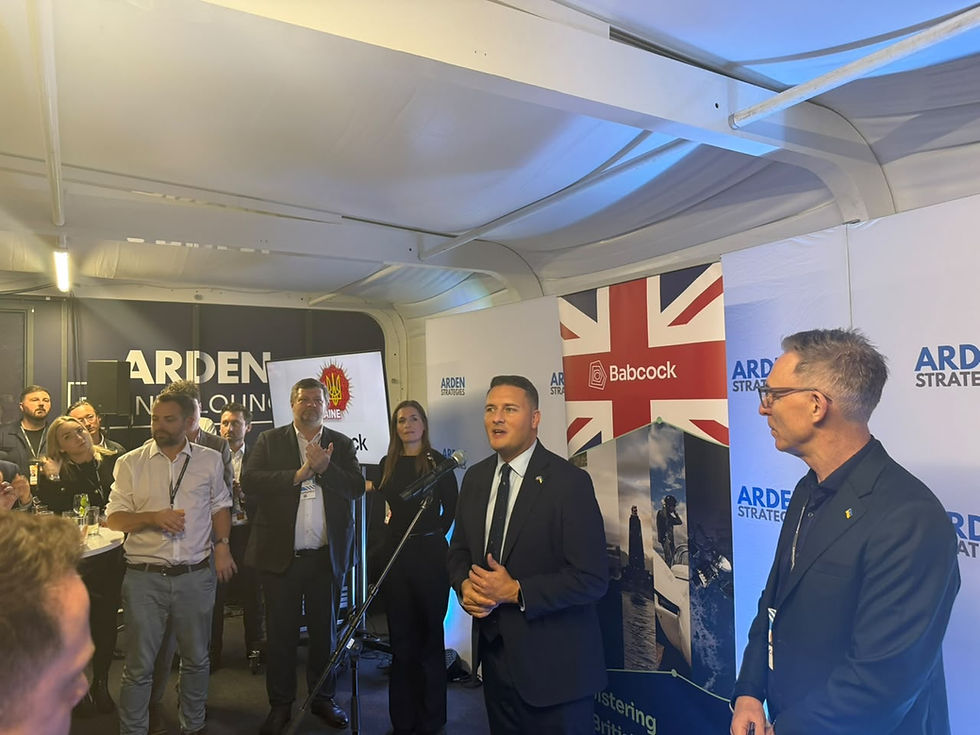
UBBC attends URC 26 Ukraine Reconstruction conference in Gdansk
The conference is the fourth of its kind and brings together the leading countries and funders of Ukraine. This year the accent is firmly on EU accession, and the EU member states projected a high profile, as did the agenda, which strongly focused on how Ukraine can accede to EU, the opportunities and considerations. Leading speakers included Friedrich Merz, PM of Germany, Ursula von del Leyen, of the EU and numerous Prime ministers of smaller EU countries.
UK companies had a noticeably low-key profile, with only Jacobs, Babcock, Qinetiq, HTA architects and TheCityUK with stands, among a sea of German and International companies. The DBT did not have any visible presence, but some members of the team were present as were FCDO accompanying Yvette Cooper the Foreign Secretary (whom we and ZHA met), Rachel Reeves on a privatisation panel and David Lammy on an NGO panel.

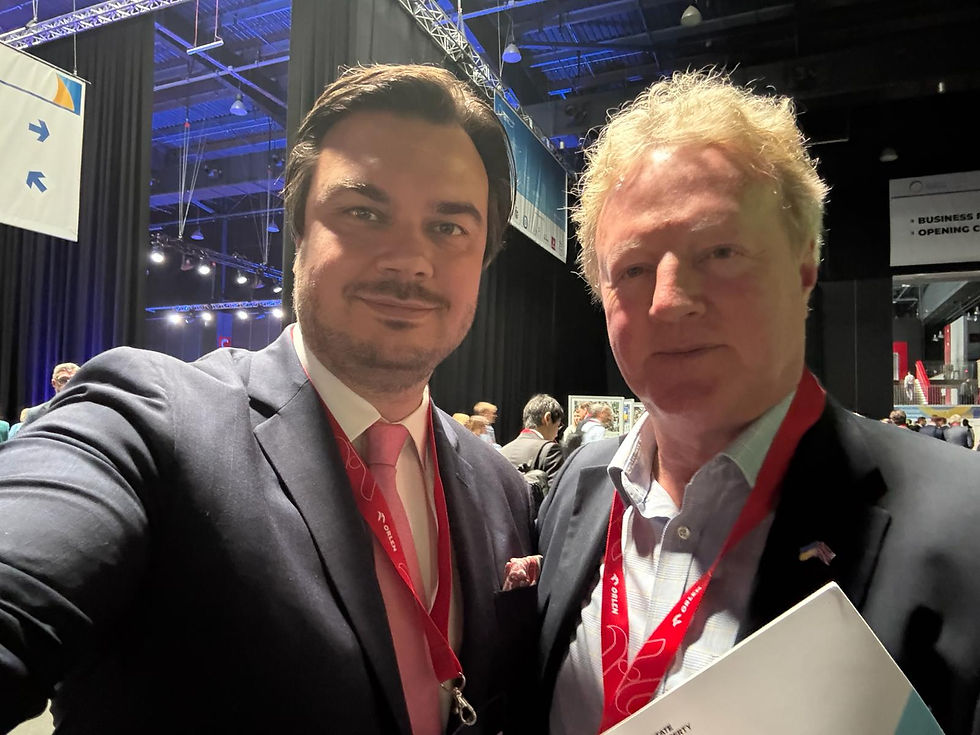
UBBC team of Ashley Goodall and Mark Irwin, focused on the business panels, and meetings with companies, like Atkins, Aecom and those with stands, although there were also significant social and NGO panels during the conference. It was very useful to catch up with business contacts we had met in Kyiv the week before, and to exercise the key issues that were echoed during our visit , at the conference.
Key panels included Privatisation, with Dmytro Nataluka MP head of privatisation, whom we met at the launch of the privatisation offer, and whom Rachel Reeves participated in, alongside head of Blackrock and the IFC. Ukraine intends to privatise 73% of its SOE’s with segments and sectors differentiating in speed and % of government control. In generally the metallurgy and fertilizer plants are on the forefront of the sell off, with shopping centres and real estate hotels also on the first tranche. The PPP panel explored how to provide finance for infrastructure and reconstruction – in short, a blended offer with leading IFIs.

An investment panel with EBRD and IFC – discussed the need for the Private sector to provide at least 40% of the costs of reconstruction and modernisation in Ukraine. To achieve these various mechanisms and insurance tools will be required to encourage over $200bn private sector investment and improved regulatory and governance, in addition to clear priority and planning procedures. The big win that will be driving much of the investment is the accession to the EU. This is seen as a significant opportunity for Ukrainian business as it will enjoy access to a large consumer market, receive infrastructure funds, and reduce the risk to capital as the government updates its compliance viz a vie corruption and governance.
An Agri processing panel looked at the significant opportunities to invest in upgrading agricultural processing and modern food systems adding value in general , particularly for export to EU. Other panels covered Raw materials, digital economy, and innovation. Capital mobilisation, security and defence. Unlocking Ukraine’s economic potential and infrastructure development.
General sentiment was very positive, with delegates looking to invest, modernise and for Ukraine to join the EU. The opportunity for Ukraine is to become part of a much bigger market and begin to export added value products, and manufactured goods, for the first time. There was little concern or mention of the war, as people sense Ukraine is on the winning side and that it may soon conclude.
Ukraine is ideally placed to become Europe’s manufacturing answer to China. All the ingredients are available, including good energy reserves (gas and oil ) and renewables, with only the Human capital currently lagging.
The message is clear – now is the time to come to Ukraine, to engage and invest as it will soon be too late. Everyone is circling and looking to invest. We need the UK to wake up fast.